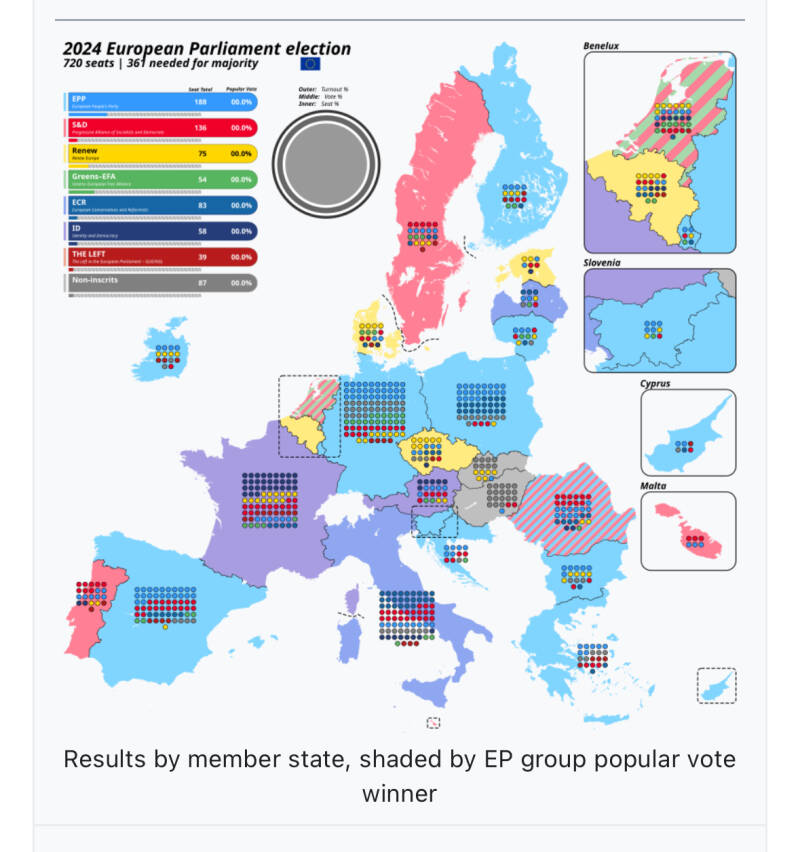
Още един наложителен анализ на фашистките нюанси в крайно дясното в ЕП.
Претенцията на крайната десница е ЕП да разруши ЕС отвътре е обречена на провал, поради една проста причина: крайната десница вече е разрушена самата тя отвътре. Роенето, както го наричат анализаторите, аз бих нарекла с българското “люспене”, защото те сами се отлюспват едни други по най-разнообразни причини, включително непоносимост един към друг по националистически причини. Такъв е случаят с крайната дясната унгарска партия “Наш дом”, която влезе в групата суверенистите ЕСН(заедно с “Възраждане” на двата фотоса в кафяво), която унгарска партия не допусна румънската си посестрима S.O.S., поради националистически спорове, подобни на българските с македонските(като най-понятен илюстративен за българската публика пример), при все че крайните националисти-суверенисти едва събраха 7 държави с общо 25 члена - необходимото условие за създаване на група в ЕП.
Опитах се да намеря в коя ли друга Европейска група партии се е намърдала отлюспената от най-най-баш националистите по-националистическа румънска партия S.O.S., но не я намерих в никоя от осемте партийни семейства на ЕП. Изведнъж се сетих за групата на “неутралните” партии в ЕП - деветата необявена група сред легитимните групи, понеже не представлява партийно семейство, а е разнородна сбирщина. Открих я там, наред с други още по-крайно десни от най-крайнодесните, като чехи за Бохемия, поляци за короната и отлюспения от отлюспените и разследван за руско и китайско влияние от Алтернатива за Германия AfD Максимилиан Кра.
Оказа се, че цялата сбирщина от “независимите” депутати, всъщност са толкова крайни националисти, изхвърлени от всичките останали три групи националисти. Самите те се разделиха от непоносимост един към друг, след като партията на Льо Пен, Орбан и Герт Вилдерс отказаха да бъдат в една група с Алтернатива за Германия, и така бяха разделени на Патриоти и суверенисти,
а самият Орбан се втурна да събира патриотите по руски признак, за да ги отдели от другите крайнодесни - групата на европейските консерватори ЕКР, в която членува партията на Джорджа Мелони, нидерландската SGP, и изненадващо за мен българската ИТН, понеже ЕКР се обяви като поддръжник на Украйна.
И така се оказа, че партиите на крайната десница в ЕП е разделена на цели 4 части по най-различни и причудливи признаци, включително: нашето село не признава вашето село.
Единствен ориентир може да бъде Кант, който с право твърди, че демокрациите не воюват помежду си.
Националистическите партии копират тоталитарната структура в самите тоталитарни държави, които задължително са националистически и капсулирани, и по обратен ред: картината в отношенията между непонасящи те се помежду си националистически крайнодесни партии вещае колко враждуваща би била Европа на суверенните нации, превърната в националистически бастиони, всяка трепереща за своя изключителен суверенитет. Крайният резултат непременно би бил сблъсък, като този в Донбас, като в Абхазия или вечната окупация на Транснистрия, или десетилетните битки за Нагорно-Карабах. А някой може в суматохата и да изгуби суверенитета си като съща Чечня.
С други думи: 80-годишният мир в Европа трябва да бъде на всяка цена върнат и съхранен, и това няма да стане чрез капсулиране на провинциалните суверенитети, а чрез откритост и лоялност между съседите, в името на общото бъдеще на децата ни.
Авторски анализ на Таня Стоянова
A necessary analysis of the nuances of the extreme right in the EP.
The far right's in EP claim that they will destroy EU from within, but it is doomed to failure,
for one simple reason: the far right itself has already been destroyed from within.
Swarms, as the analysts call them, I would call the Bulgarian 'peeling', because they are peeling each other off for various reasons, including intolerance towards each other for nationalistic reasons.
This is the case with the far-right Hungarian party 'Our House', which joined the sovereigntist ESN group (along with German AfD), which Hungarian party has its Romanian sister S.O.S. did not allow it due to nationalist disputes, although the extreme nationalist-sovereignists brought together barely seven countries with a total of 25 members – the necessary condition for creating a group in the EP.
I have tried to find out which other European group of parties the more nationalist Romanian party S.O.S., plucked from the most timid nationalists, has joined, but I have not found it in any of the EP's eight party families. I suddenly thought of the group of 'neutral' parties in the EP – the ninth undeclared group among the legitimate groups, because it does not represent a party family, but is a heterogeneous gathering. And I actually found her there, among other things, even more extreme right than extreme right, such as Czechs for Bohemia, Poland for the Crown and the suspect on Russian and Chinese influence by Alternative for Germany AfD Maximilian Krah,
It turned out that the entire gathering of “independent” MPs are actually such extreme nationalists, thrown out by all the other three groups of nationalists, Reformers EKR, Patriots and “Sovereignists” ESN. They split out of intolerance towards each other after the party of Patriots with Le Pen, Orban and Geert Wilders refused to be part of the same group as the Alternative for Germany, and so they were divided into Patriots and Sovereigns.
And Orban himself hastened to gather the patriots on Russian grounds to separate them from the other far-right groups – the group of European conservative reformers EKR, which also includes George Meloni's party, the Dutch SGP, and, surprisingly for me , the Bulgarian ITN (The name means: “There is such a people”), because EKR announced itself as a supporter of Ukraine, while this Bulgarian party is also pro-Russian.
And so it turned out that the extreme right parties in the EP are divided into no fewer than 4 parts according to different and bizarre signs, including: our village does not recognize your village.
The only valid words can be those of Kant, who rightly claims that democracies do not wage war with each other.
Nationalist parties copy the totalitarian structure in the totalitarian states themselves, which are necessarily nationalist and encapsulated, and vice versa: the picture of relations between mutually intolerant nationalist far-right parties predicts how hostile a Europe of sovereign nations would be, turned into nationalist bastions, each trembles for its exclusive sovereignty. The end result would necessarily be a clash like those in the Donbas, like Abkhazia, or the continued occupation of Transnistria, or the decades-long fighting over Nagorno-Karabakh. And someone could lose their sovereignty in the turmoil, like Chechnya itself.
In other words, 80 years of peace in Europe must be restored and preserved at all costs, and this will not be done by encapsulating provincial sovereignties, but through openness and loyalty between neighbors, for the sake of the common future of our children.
Tanya Stoyanova
Een noodzakelijke analyse van de nuances van extreemrechts in het EP.
De bewering van extreemrechts dat het EP de EU van binnenuit zal vernietigen, is gedoemd te mislukken,
om één simpele reden: extreemrechts is al van binnenuit vernietigd.
Zwermen, zoals de analisten het noemen, ik zou de Bulgaarse 'afschilfering' noemen, omdat ze elkaar om verschillende redenen afpellen, waaronder intolerantie jegens elkaar om nationalistische redenen.
Dit is het geval met de extreemrechtse Hongaarse partij ‘Ons Huis’, die toetrad tot de soevereinistische ESN-groep (samen met Duitse AfD), welke Hongaarse partij haar Roemeense zuster S.O.S. niet toeliet vanwege nationalistische geschillen, hoewel de extreem nationalistisch-soevereinisten amper zeven landen bijeenbrachten met in totaal 25 leden – de noodzakelijke voorwaarde voor het creëren van een groep in het EP.
Ik heb geprobeerd te achterhalen in welke andere Europese groep partijen de meer nationalistische Roemeense partij S.O.S., die uit de meest verlegen nationalisten is weggeplukt, zich heeft aangesloten, maar ik heb deze in geen van de acht partijfamilies van het EP gevonden. Ik dacht plotseling aan de groep ‘neutrale’ partijen in het EP – de negende niet-aangegeven groep onder de legitieme groepen, omdat deze geen partijfamilie vertegenwoordigt, maar een heterogene bijeenkomst is. En Ik trof haar daadwerkelijk daar onder meer nog extreemrechts dan extreemrechts, zoals Tsjechen voor Bohemen, Polen voor de Kroon en de de verdachte op Russische en Chinese invloed door Alternatief voor Duitsland AfD Maximilian Krah,
Het bleek dat de hele bijeenkomst van ‘onafhankelijke’ parlementsleden eigenlijk zulke extreme nationalisten zijn, weggegooid door alle andere drie groepen nationalisten, Reformatoren EKR, Patriotten en “Souverenisten” ESN. Ze splitsten zich op uit intolerantie jegens elkaar nadat de partij van Patriotten met Le Pen, Orban en Geert Wilders weigerden deel uit te maken van dezelfde groep als het Alternatief voor Duitsland, en dus werden ze verdeeld in patriotten en soevereinen.
En Orban zelf haastte zich om de patriotten op Russische gronden bijeen te brengen om ze te scheiden van de andere extreemrechtse groeperingen – de groep Europese conservatieve reformatoren EKR, waartoe ook de partij van George Meloni, de Nederlandse SGP behoort, en, verrassend genoeg voor mij, de Bulgaars ITN(De naam betekent: “Er bestaat zo’n volk”), omdat EKR zich aankondigde als supporter van Oekraïne, terwijl deze Bulgaarse partij is ook pro-Russisch.
En zo bleek dat de extreemrechtse partijen in de EP volgens verschillende en bizarre tekens in maar liefst meer dan 4 delen zijn verdeeld, waaronder: ons dorp herkent jouw dorp niet.
De enige geldige woorden kan die van Kant zijn, die terecht beweert dat democratieën geen oorlog met elkaar voeren.
Nationalistische partijen kopiëren de totalitaire structuur in de totalitaire staten zelf, die noodzakelijkerwijs nationalistisch en ingekapseld zijn, en vice versa: het beeld van de betrekkingen tussen wederzijds intolerante nationalistische extreem-rechtse partijen voorspelt hoe vijandig een Europa van soevereine naties zou zijn, veranderd in nationalistische bastions , elk beeft voor zijn exclusieve soevereiniteit. Het eindresultaat zou noodzakelijkerwijs een botsing zijn, zoals die in de Donbas, zoals in Abchazië of de voortdurende bezetting van Transnistrië, of de decennialange gevechten om Nagorno-Karabach. En iemand kan zijn soevereiniteit verliezen in de onrust, zoals Tsjetsjenië zelf.
Met andere woorden: 80 jaar vrede in Europa moet koste wat het kost worden hersteld en behouden, en dit zal niet gebeuren door provinciale soevereiniteiten in te kapselen, maar door openheid en loyaliteit tussen buren, in het belang van de gemeenschappelijke toekomst van onze kinderen.
(mijn analyse van extreemrechts)
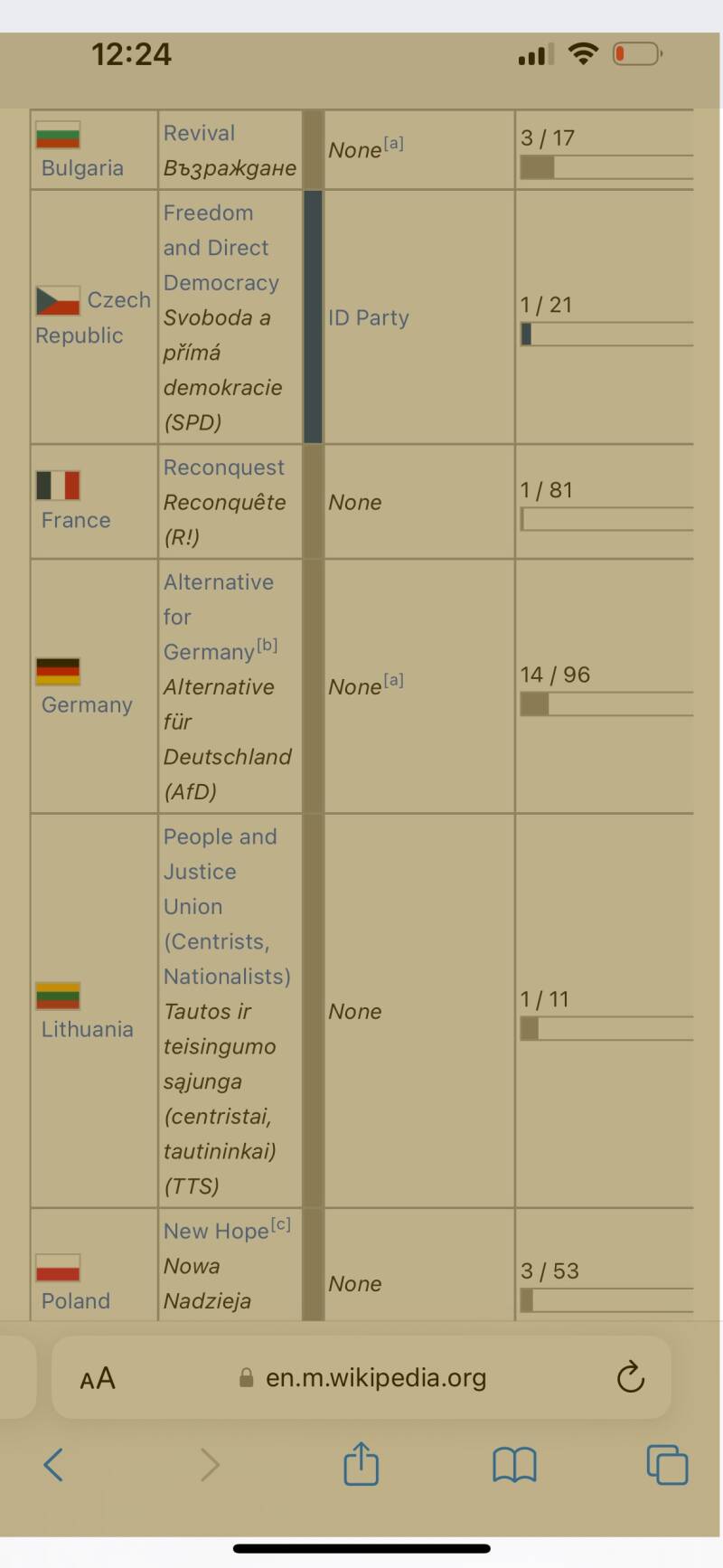
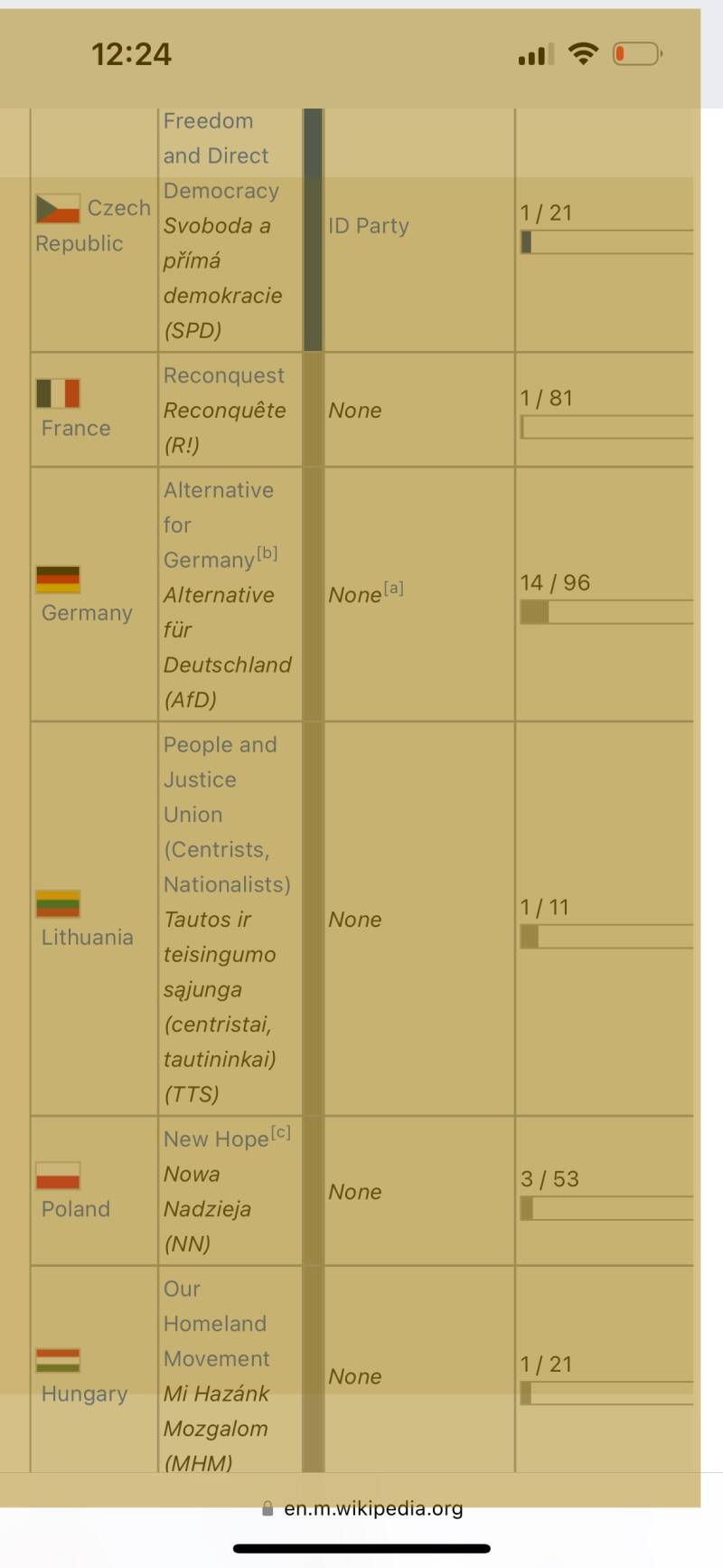
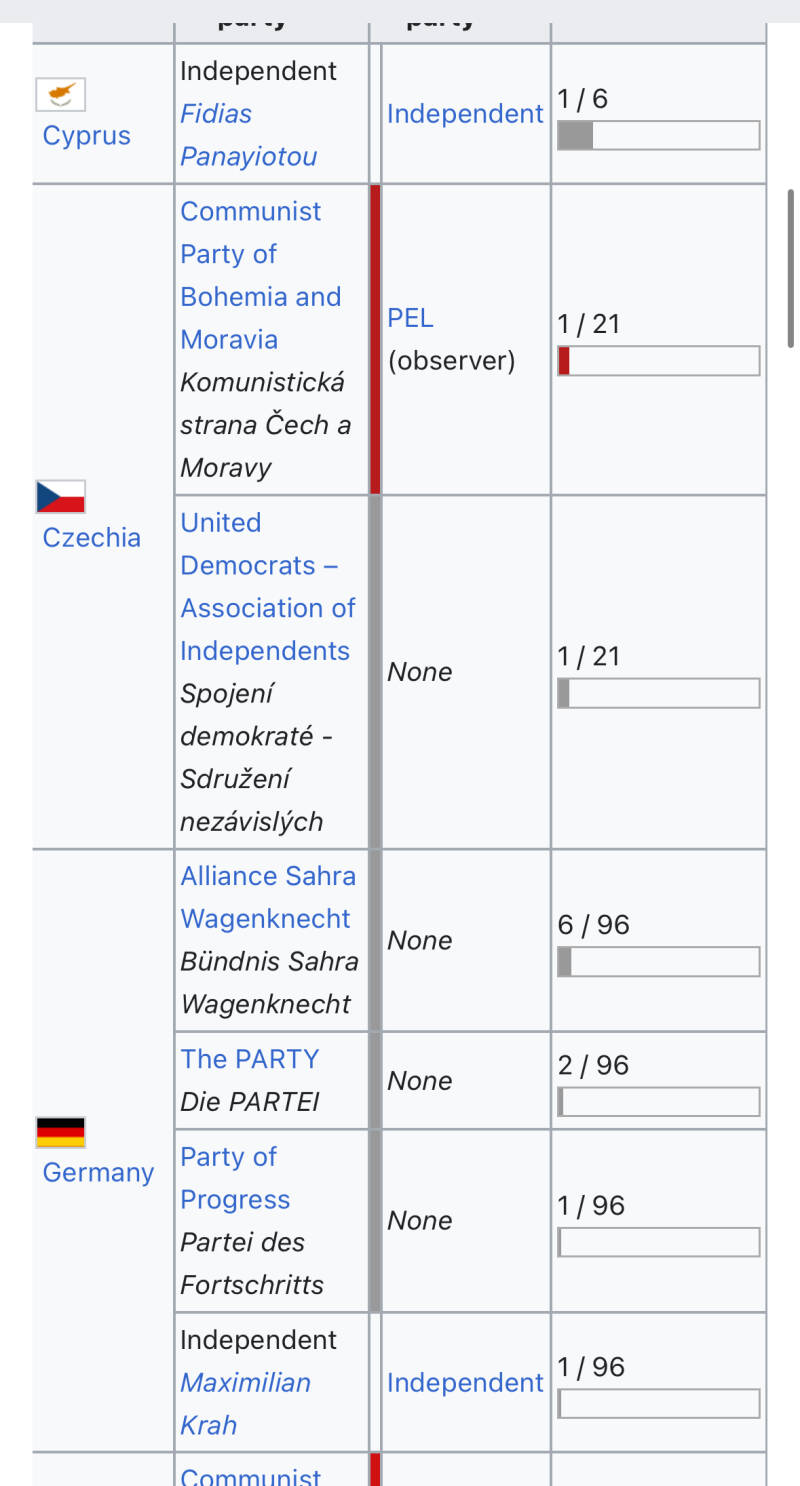
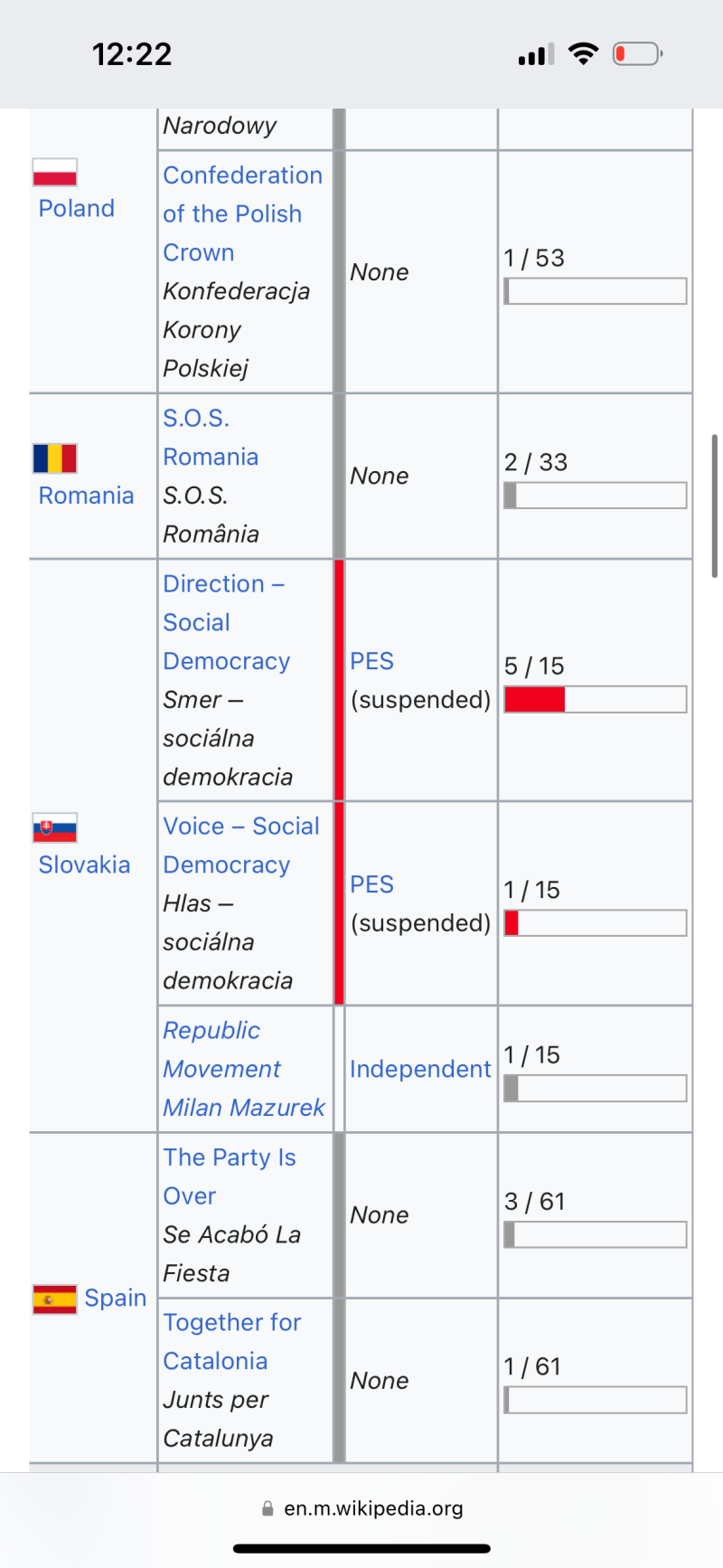
Скрийншотове: Уикипедия